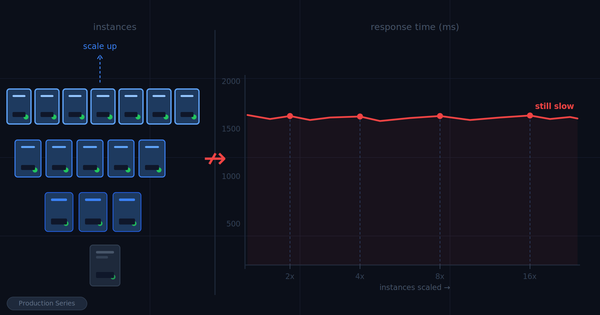
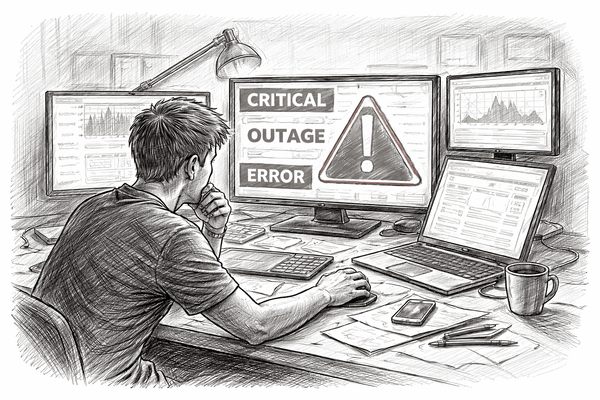
The True Code Of Production Systems Scaling the Application: Not an Answer to Every Performance Issue This is part of The True Code of Production Systems. The series is about the decisions that only become visible when something breaks in production. The traffic spike arrived at 11:47 on a Tuesday morning. It was not unexpected. The marketing team had sent a campaign email to two
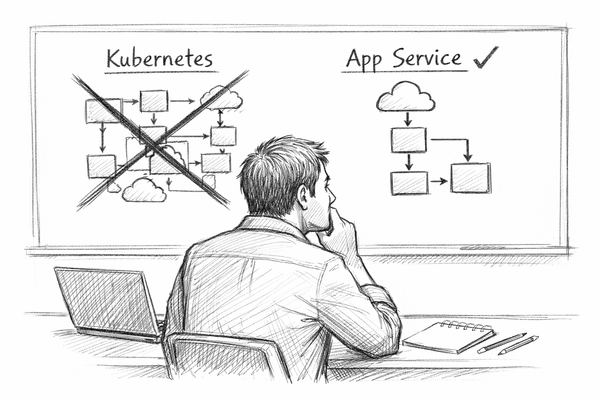
The True Code Of A Complete Engineer We Chose Kubernetes Because It Was the Right Technology. And that Was the Wrong Reason. We chose Kubernetes because it was the right technology. We were asking the wrong question. Eight engineers, one internal system, and months of hidden costs that never appeared on any invoice. Here is what that taught us about technology decisions.
Featured Why I Started The True Code of Production Systems Series Most tutorials teach you how to build software. Very few teach you what happens after. This series is about the mindset, questions, and decisions that separate software that just works from software that keeps working.
Featured Why I Started The True Code of a Complete Engineer Series Twenty years in tech taught me that the engineers who get trusted in the room are not always the most technically sharp. This is what actually separates them. Real lessons from real teams, real decisions, and real careers.
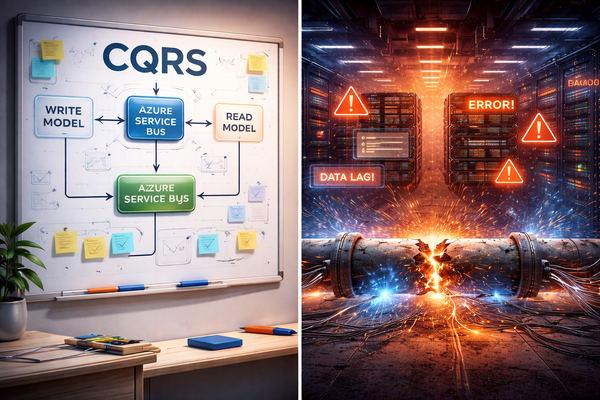
The True Code Of Production Systems CQRS Simplified the Design. It Complicated Production. CQRS simplifies design but complicates production. Eventual consistency, read model lag, and failing event pipelines create stale data and hidden failures. What looks clean in architecture reviews often breaks under real-world load.
LeadrEye Why I Finally Stopped Tracking My Engineering Team in Excel and What I Did Instead Engineering team management shouldn't require maintaining Excel sheets alongside Jira. Why most leads end up with this dual-tool pattern, what specifically breaks in Jira for team visibility, and the solution that eliminated my daily spreadsheet ritual.
The True Code Of Production Systems Silence Is a Design Decision What users see when your system fails, slows, or goes offline is not polish. It is production design.
The True Code Of Production Systems Caching Is Easy. Production Caching Is Not. Part of the series — The True Code of Production Systems
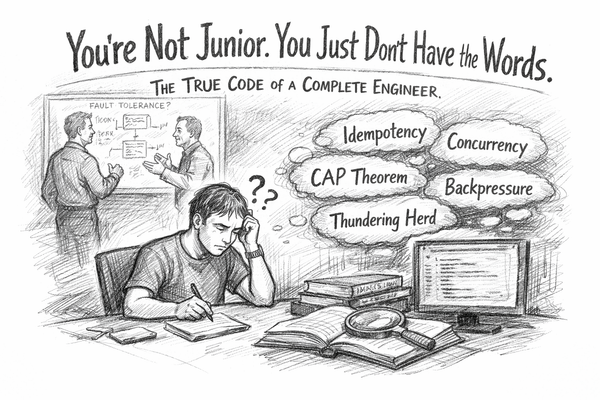
The True Code Of A Complete Engineer You're Not Junior. You Just Don't Have the Words. A blog series by Gaurav Sharma: The True Code of a Complete Engineer. Lessons I wish someone had told me 20 years ago.
The True Code Of A Complete Engineer The First Thing You Should Do in a Production Incident Is Not What You Think When a production incident hits, the instinct is to fix it immediately. I once acted on that instinct during a data issue in production and ended up making the incident worse before we understood what was actually broken. Part of the series: The True Code of a Complete Engineer.
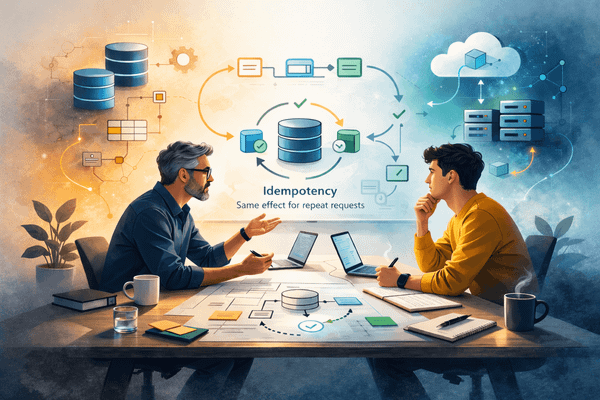
Idempotency Is Not an API Thing: A Conversation Between Two Engineers A conversation between a senior and a junior engineer on what idempotency really is, beyond REST APIs, across SQL jobs, console apps, Azure Functions, message queues, and any operation that can run more than once. Clear, end to end.
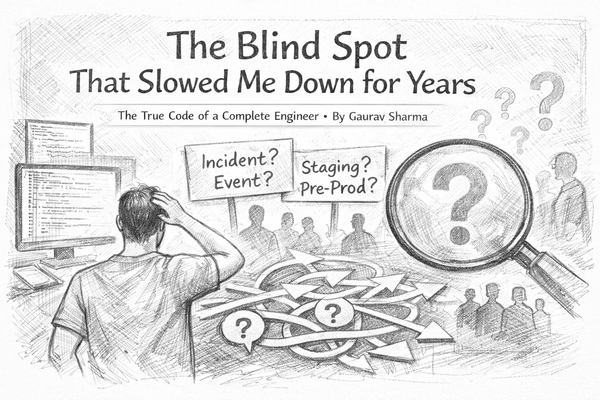
The True Code Of A Complete Engineer The Blind Spot That Slowed Me Down for Years A blog series by Gaurav Sharma: The True Code of a Complete Engineer — lessons I wish someone had told me 20 years ago.
Featured Designing an Azure Web App: A Conversation That Went Longer Than Planned A detailed conversation between a senior architect and a junior architect on designing a production-ready Azure web app — where database pressure, latency, security boundaries, and observability are worked through in real time.
The True Code Of A Complete Engineer The Internet Isn’t in the Cloud. It’s Deep Under the Ocean. You’ve been told everything’s in the cloud. But 99% of traffic moves through cables under the ocean. This changes how you think about DNS, DR, compliance—and everything you build.
The True Code Of A Complete Engineer Featured I Didn’t Learn These 7 Things Early — And That Slowed Me Down I didn’t ignore these 7 things on purpose. I just didn’t know how much they mattered — until they started showing up in ways that slowed me down, blurred root causes, or made teams second-guess the work. I see them differently now.
The True Code Of A Complete Engineer The Hidden Career Skill Nobody Teaches You: Giving Clear Updates A blog series by Gaurav Sharma: The True Code of a Complete Engineer — lessons I wish someone had told me 20 years ago.
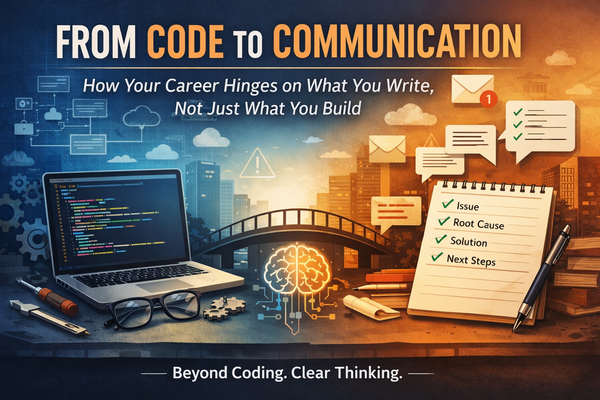
Tech Communication From Code to Communication: How Your Career Hinges on What You Write, Not Just What You Build Code builds systems. Words build trust. This article dives into the silent skill every developer underestimates. From emails to status updates to design docs, see how your writing shapes outcomes, clears chaos — and moves your career forward.
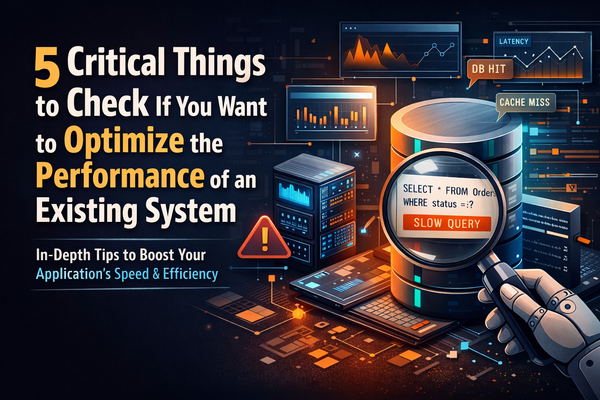
5 Critical Things to Check if You Want to Optimize the Performance of an Existing System Performance issues are not always about writing better code or throwing more hardware at the problem. Often, the bottlenecks lie hidden in plain sight — inside your database queries, system logs, data flows, or architectural decisions. If you're looking to optimize the performance of an existing system, not a
Why Communication Breakdown — Not Infra — Is the Real Root Cause of System Failures Most teams design the system… but not how the system communicates. This article breaks down why that gap creates chaos in logs, support, and fixes—and how system-level communication must be architected like any other core component.
Featured Why On-Call-Friendly Systems Are the Real Measure of Good Architecture Most systems look great when everything is running fine. But architecture isn’t truly tested when things are working. It’s tested at 2:13 a.m. when something breaks. And someone gets paged. In that moment, one thing becomes painfully clear: Is the system on-call friendly, or not? In
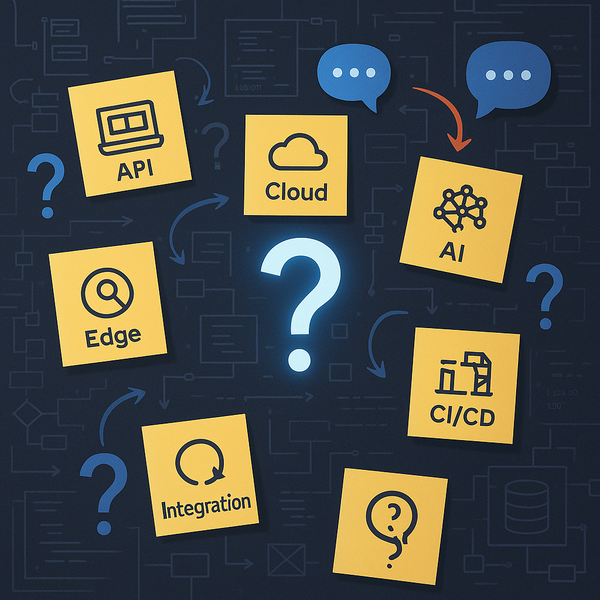
The Only 10 Questions Developers Need to Ask in Requirement Discussions In every project, developers rush to code — but overlook the questions that shape the code. This article uncovers 10 razor-sharp questions every developer must ask during requirement discussions — with real-world examples across microservices, cloud, AI, and CI/CD.
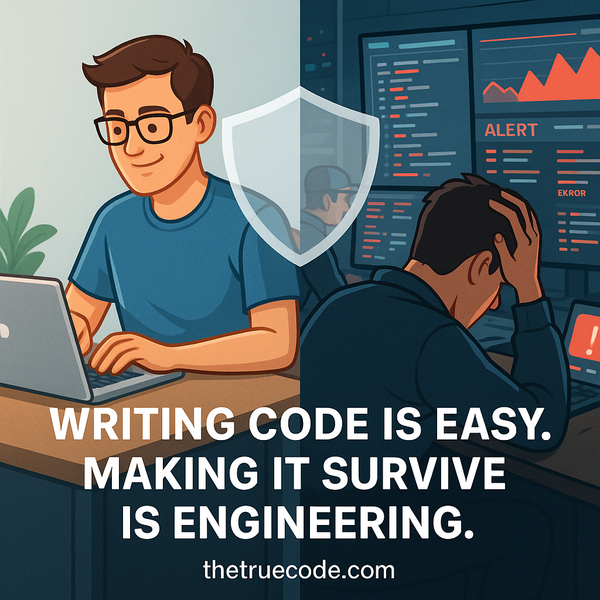
Production Engineering Your Job Is Not to Write Code — It’s to Make Sure It Survives Production 🎯 Introduction: Why Most Code Fails Where It Matters Most Developers often equate success with merging a PR, completing a Jira ticket, or delivering a sprint commitment. And while these are essential markers in software delivery — they’re not the final exam. That exam happens in production. And here’s the
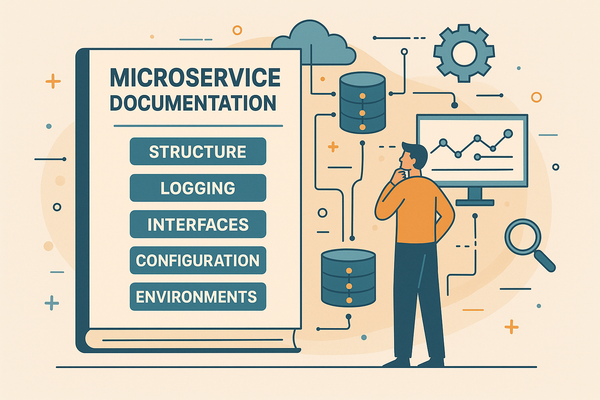
How to Document a Microservice Using the SLICE Framework — So Well That Teams Reuse It Without Asking Struggling to document your microservices clearly? Learn how to use the SLICE framework to write docs your teammates will thank you for. Real example. Real impact. Internal reuse guaranteed.
Featured System Thinking Is Not Architecture — And That’s Why Most Architects Get It Wrong Most architecture captures structure — not behaviour. This article explains why system thinking is different, why it matters, and how to build it using the S.T.A.B.L.E. framework. A must-read for developers, leads, and architects.
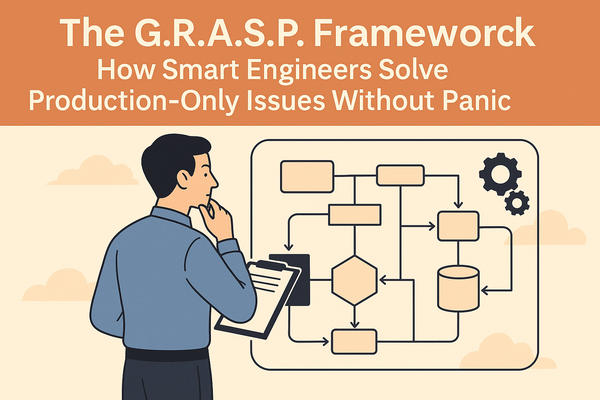
The G.R.A.S.P. Framework: How Smart Engineers Solve Production-Only Issues Without Panic Prod-only bugs don’t need chaos. This article shows how the G.R.A.S.P. framework helps engineers debug like owners, save hours of guesswork, and build career trust.